Health and Safety Policy for Landscaping Mill Hill
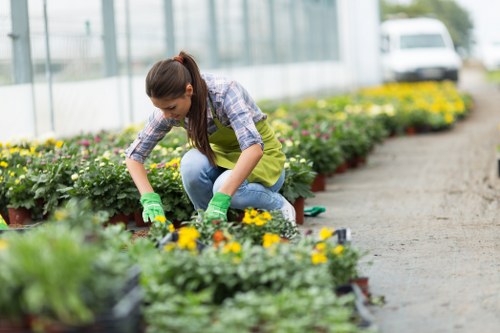 Landscaping Mill Hill is committed to maintaining a safe, healthy, and responsible working environment for all employees, contractors, visitors, and members of the public who may be affected by our activities. This policy sets out the principles and standards that guide our day-to-day work across all landscaping operations, including planting, turf care, hard landscaping, grounds maintenance, and seasonal site preparation. Our aim is to prevent harm, reduce risks, and ensure that every task is planned and completed with care, competence, and control.
We recognise that landscaping work can involve a wide range of hazards, including manual handling, machinery use, slips and trips, exposure to weather, chemicals, dust, noise, and working near moving vehicles. For that reason, our approach is proactive rather than reactive. Safety is built into every stage of the job, from planning and training to supervision and final inspection. All work is expected to be completed in a way that protects people, property, and the environment.
Responsibility for health and safety is shared by everyone. Managers will ensure suitable arrangements are in place, workers are expected to follow procedures, and anyone on site must cooperate with instructions and risk controls. This policy applies to all landscaping activities carried out under the business name, whether on private, commercial, or communal sites. It supports a workplace culture where hazards are reported early and concerns are acted upon promptly.
Our Commitments
We will provide and maintain safe systems of work, suitable equipment, and clear instructions for every task. Before work begins, risks will be assessed and measures put in place to reduce them to an acceptable level. This includes reviewing site conditions, identifying restricted access areas, checking ground stability, and considering the impact of nearby pedestrians, residents, or vehicles. Where work changes or new hazards appear, the assessment will be updated.Training is essential to safe landscaping practice. Workers will receive instruction relevant to their duties, including the correct use of hand tools, powered equipment, lifting techniques, hazard awareness, and emergency procedures. Only trained and authorised personnel may operate machinery, use chemicals, or carry out high-risk tasks. Refreshers will be provided where needed to ensure skills remain current and procedures are understood.
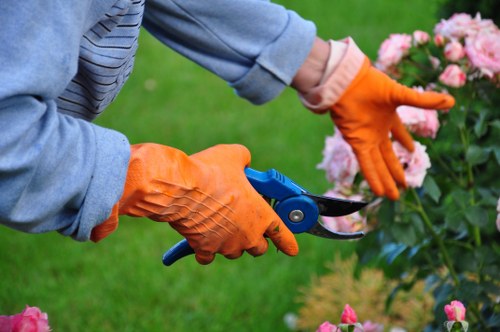
Personal protective equipment will be supplied where required and must be worn correctly. Depending on the task, this may include gloves, eye protection, hearing protection, safety footwear, high-visibility clothing, or weather-appropriate clothing. PPE is the final line of defence and does not replace other control measures. It must be maintained in good condition and replaced when damaged or no longer fit for purpose.

Managing Common Landscaping Risks
Manual handling is a frequent part of landscaping work, involving soil, plants, paving materials, waste, and tools. We reduce strain by planning lifts carefully, using team lifting where necessary, and employing mechanical aids when appropriate. Workers are encouraged to avoid unnecessary bending, twisting, or overreaching. Tasks should be broken into manageable steps, and loads should never be carried in a way that compromises balance or visibility.Machinery and tools must be inspected before use and stored safely when not in operation. Guards, blades, cables, and fuel systems will be checked regularly, and defective equipment must be removed from service immediately. Safe isolation and lock-off practices are required during maintenance, cleaning, or repair. Fuel, batteries, and sharp implements must be handled with care to prevent fire, cuts, and environmental contamination.
Weather and seasonal conditions also affect safety. Wet ground, frost, heat, wind, and poor visibility can all increase the likelihood of slips, fatigue, or reduced control of equipment. Work plans must take account of changing conditions, with breaks, hydration, shelter, and rest periods provided when required. If conditions become unsafe, work will be paused or rescheduled.
Site Control and Communication
Good communication is essential on any landscaping project. Before work starts, team members will be briefed on the scope of the job, hazards, access arrangements, emergency procedures, and any special considerations. Boundaries, exclusion zones, and pedestrian routes must be clearly identified. When work takes place near the public or other trades, additional precautions such as signage, barriers, and spotters may be used.Housekeeping plays a major role in preventing incidents. Tools, waste, offcuts, hoses, and packaging should be kept tidy and removed from walkways as work progresses. Materials must be stacked securely and stored so they do not obstruct access or create tipping hazards. A clean work area is a safer work area, and everyone is expected to contribute to maintaining it throughout the day.
Health, Welfare, and Environmental Care
The health of our workforce is just as important as immediate physical safety. We will take practical steps to reduce exposure to dust, noise, vibration, and harmful substances. Where chemicals such as fertilisers, weed control products, or fuels are used, they will be selected, stored, and applied according to safe procedures and manufacturer guidance. Spill response materials should be available where required, and disposal of waste must follow responsible environmental practice.We also recognise the importance of welfare and wellbeing. Access to drinking water, rest breaks, and suitable sanitation arrangements will be considered on every site. Workers are encouraged to speak up if they are feeling unwell, overly fatigued, or affected by stress, as these factors can increase the risk of mistakes and injury. Managers will monitor workloads and conditions to help prevent avoidable pressure on staff.
Environmental protection is part of our safety responsibility. Landscaping work can affect soil, water, wildlife, and nearby surfaces, so we aim to minimise disturbance and prevent pollution. Careful storage of materials, control of runoff, and proper waste management support both safe operations and sustainable practice. The policy therefore links worker protection with environmental stewardship.

Monitoring, Reporting, and Review
Health and safety performance will be monitored through site checks, supervision, equipment inspections, and reviews of incidents and near misses. Any accident, injury, unsafe condition, or equipment defect must be reported promptly so that action can be taken. Investigations will focus on learning and prevention rather than blame, with corrective measures introduced where needed to stop recurrence.All workers are expected to cooperate with investigations and comply with safety instructions. If a task appears unsafe, it must be stopped and reported to the appropriate supervisor before continuing. Everyone has the right and responsibility to raise concerns when they believe a risk has not been properly controlled. This helps maintain a culture of openness, trust, and continuous improvement.
This policy will be reviewed regularly to ensure it remains effective, suitable, and aligned with the nature of our landscaping work. Changes in equipment, processes, workforce size, or site conditions may require updates. By applying consistent standards, careful planning, and shared responsibility, Landscaping Mill Hill aims to deliver high-quality work while protecting people at every stage of the job.